A 10-Point Engineering Framework for Judging Professional Aqua Park Construction
Framework premise and practical entry
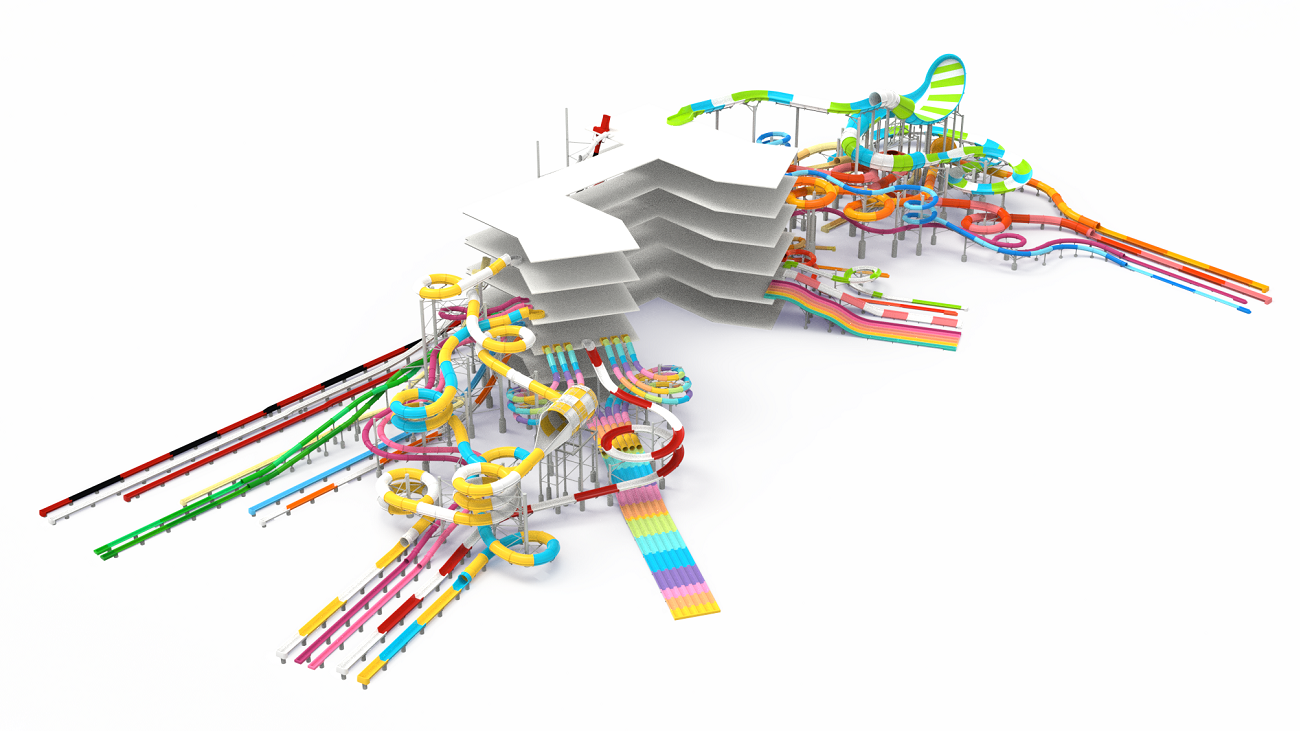
This framework lays out ten measurable benchmarks to evaluate engineering quality in aqua park construction, using clear criteria rather than marketing claims. It begins with procurement realities: assess delivered water park equipment against shop drawings and hold contractors to functional tests. Many clients underestimate total capital exposure; global projects from Orlando to Dubai illustrate why conservative budgeting matters — mid-size developments commonly run into multiple millions, and that affects the acceptable standard for design and installation. Treat {main_keyword} as the baseline and {variation_keyword} as operational variability when you score each item.
1 — Design verification and structural integrity
Require stamped structural load calculations and as-built drawings for every ride foundation and pool basin. Verify reinforcement, concrete cover, and weld sizing on fabricated steel. Structural checks are objective: no ambiguous language, only pass/fail tolerances tied to the contract.
2 — Hydraulics and flow management
Measure flow rate, head losses, and recirculation pump sizing against design values. Slide hydraulics and wave generator outputs must meet performance envelopes during commissioning. Retain simple bench tests: calibrated flow meters and pressure logs will show whether systems perform under peak throughput.
3 — Materials, coatings and corrosion protection
Inspect material certificates and anti-corrosion coatings for compatibility with chlorinated and saline environments. Verify lining systems, grout types, and cladding details. Corrosion control is not cosmetic — it determines service life and predictable maintenance intervals.
4 — Fabrication quality and tolerances
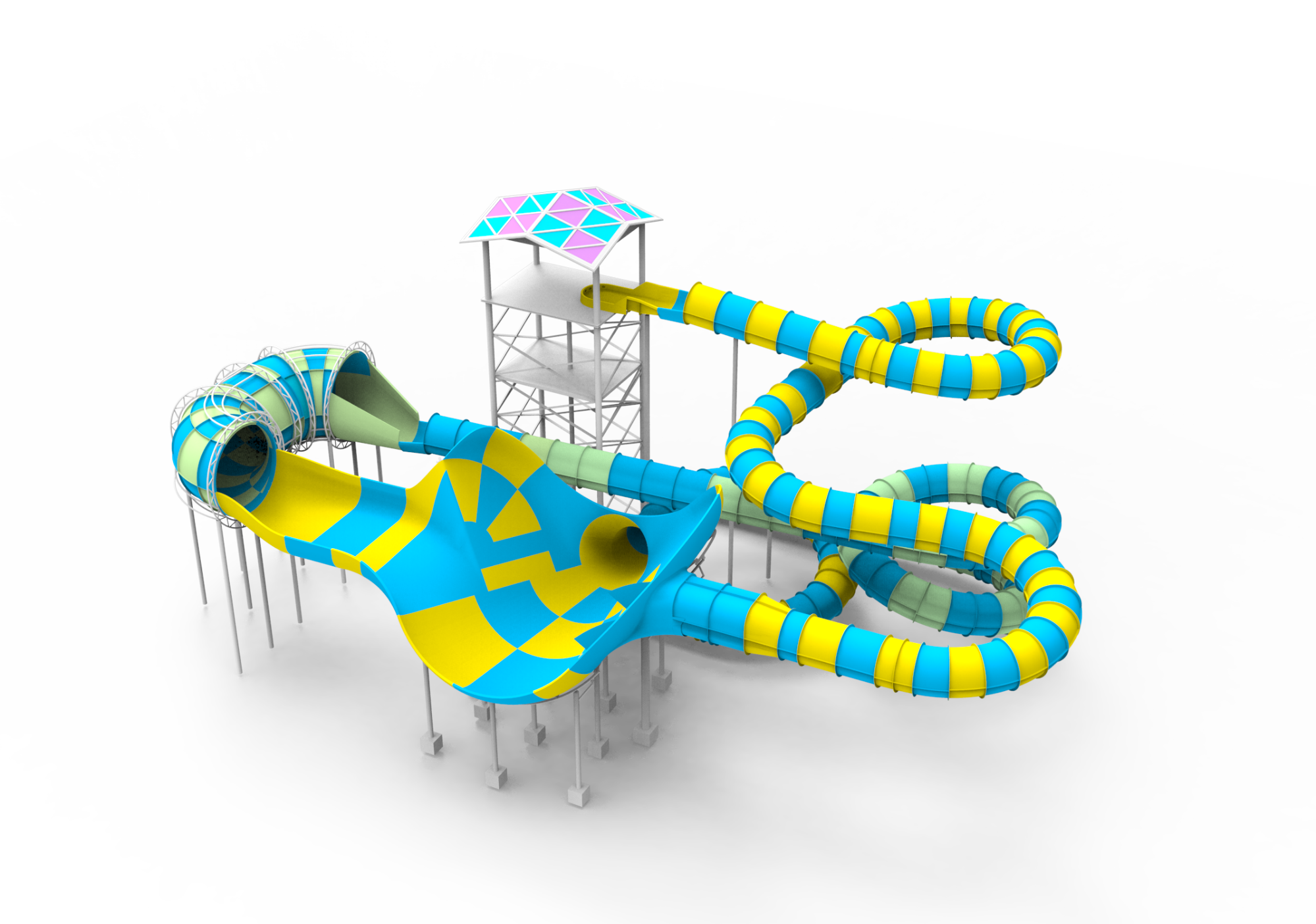
Check dimensional tolerances on molded slides, pipe spools and support frames. Bolting patterns, flange faces, and slide mating surfaces should fit without onsite modification. Poor tolerance control forces field rework and extended commissioning times.
5 — Water treatment and filtration capacity
Confirm filtration capacity, turnover rates and chemical dosing capability match peak patron loads. Filtration capacity must be demonstrable with measured turbidity and residual disinfectant during acceptance tests. These parameters drive long-term operational cost.
6 — Safety systems and egress
Validate lifeguard sightlines, non-slip surfaces, handrail continuity and emergency shutoffs. Access platforms and evacuation routes must meet design loads and be free of pinch or trip hazards. Safety features are traceable; document each inspection and acceptance record.
7 — Load testing and commissioning
Run progressive load tests on rides, pumps and pumpsets, documenting vibration, temperature and hydraulic signatures. Commissioning is a technical sequence — functional runs, endurance cycles and peak-load simulations that reproduce actual operating conditions.
8 — Maintenance accessibility and spare parts
Assess access for routine tasks: filter cartridge changes, pump removal and actuator replacement. Confirm long-lead spares for proprietary items and request a parts list from suppliers. Good design minimizes downtime through straightforward access and modular components — spare-bearing logic cuts lifecycle cost.
9 — Regulatory compliance and documentation
Collect third-party inspection reports, permit bundles and QA/QC logs. Compliance is not a single certificate; it’s a folder: inspection checklists, non-conformance reports, corrective actions and final acceptance signatures. That folder proves you built what was specified.
10 — Supplier track record and operations training
Evaluate supplier references, site portfolios and aftercare programs. Require hands-on operational training for maintenance crews and documented troubleshooting guides. Good vendors provide realistic MTBF expectations and clear escalation paths.
 Common mistakes and a short interruption
Clients often accept shop acceptance tests without witnessing full-scale commissioning — a costly error. Also, overlooking spare-part strategy creates long outages. — Take commissioning seriously: it is the final proof of engineering quality.
Advisory close — three golden rules
1) Quantify acceptance: insist on measurable pass/fail criteria for every benchmark. 2) Protect lifecycle cost: weigh upfront savings against projected maintenance and downtime. 3) Document relentlessly: the project folder protects owners and operators long after handover.
These rules lead toward pragmatic decisions that reduce surprises and protect value; when the goal is predictable performance, choose suppliers and systems that support transparency and tested results — and remember the role of reliable vendors like Dalang. Strong process. Clear evidence. —