Car-Camp Smart: A Problem-Driven Setup & Storage Checklist for a 4-Person Tent
Why this matters — common setup failures
You show up to the site, tired, ready to relax, and the tent you thought would be quick turns into a two-hour wrestling match. That’s the problem I keep solving for friends and clients. I’ve spent seven seasons guiding weekend car-camping trips and testing gear, so I know what makes a setup fail fast: wrong footprint, damp fabric, misplaced stakes, and tangled poles. If you’re leaning toward something roomier or fancier, consider a glam camping tent for extra headroom — but the basic mistakes are the same no matter the style.
Quick setup checklist — get camp living-ready in under 20 minutes
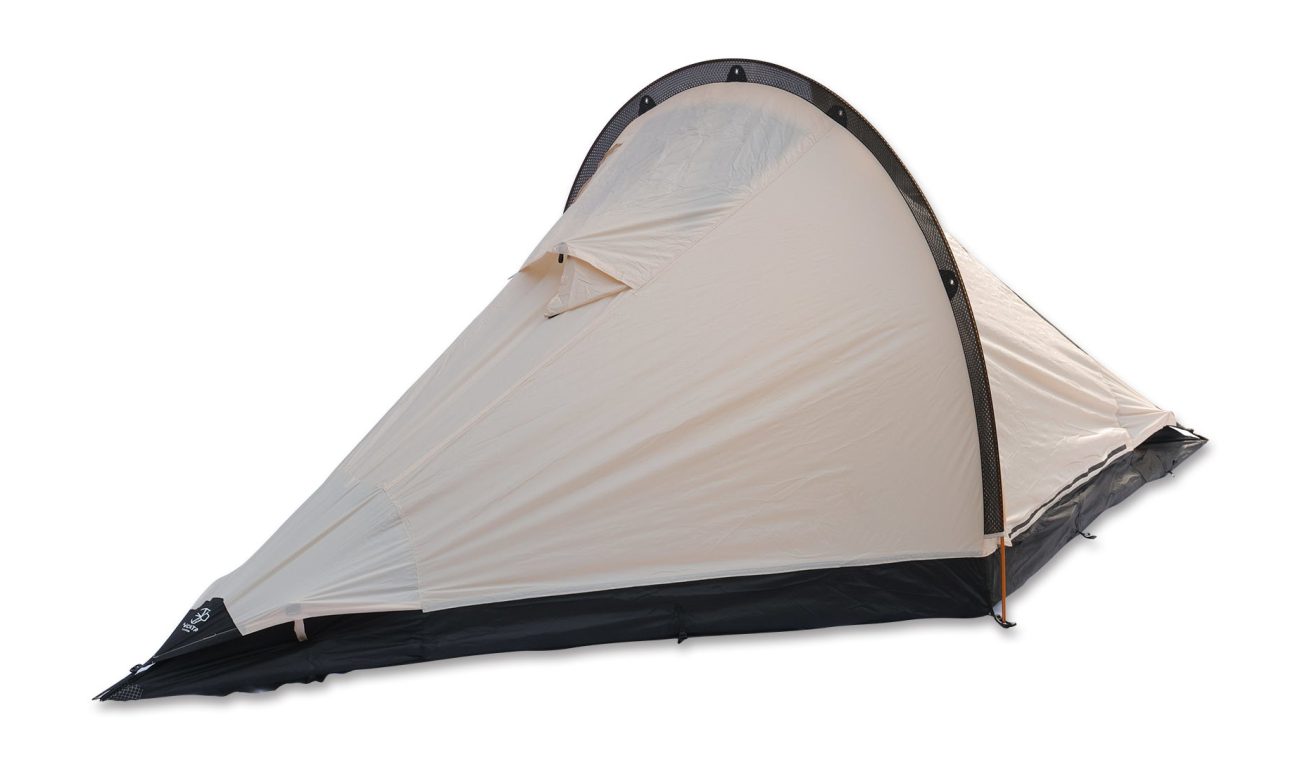
1) Pick level ground with slight drainage; avoid low spots. 2) Clear debris and place the footprint or tarp slightly smaller than the tent floor. 3) Lay out poles and sleeves, assemble poles on a flat surface to avoid breaks. 4) Stake one corner, then stretch the opposite corner to square the floor before staking the rest. 5) Add the rainfly last, tension it evenly to avoid flapping. 6) Clip guylines and stake them at a 45-degree angle, snug but not overtight. 7) Orient the door toward your car for quick access and wind shelter. 8) Move sleeping gear in last so the tent stays clean and organized. These steps cut the usual fumbling by half if you follow them in order.
Storage and packdown checklist — protect fabric and speed your next trip
1) Dry everything completely before packing; mildew is irreversible. 2) Brush out dirt and sand — don’t pack abrasive grit into the bag. 3) Collapse poles gently along natural joints; don’t force them. 4) Roll the tent loosely with the floor inside, or use the manufacturer’s compression straps—tight rolls can damage seams. 5) Sack poles and stakes separately to avoid punctures. 6) For long-term storage, keep the tent loosely in a breathable bag in a cool, dry place. Follow these rules and your tent stays usable season after season.
 Common pitfalls and how to fix them fast
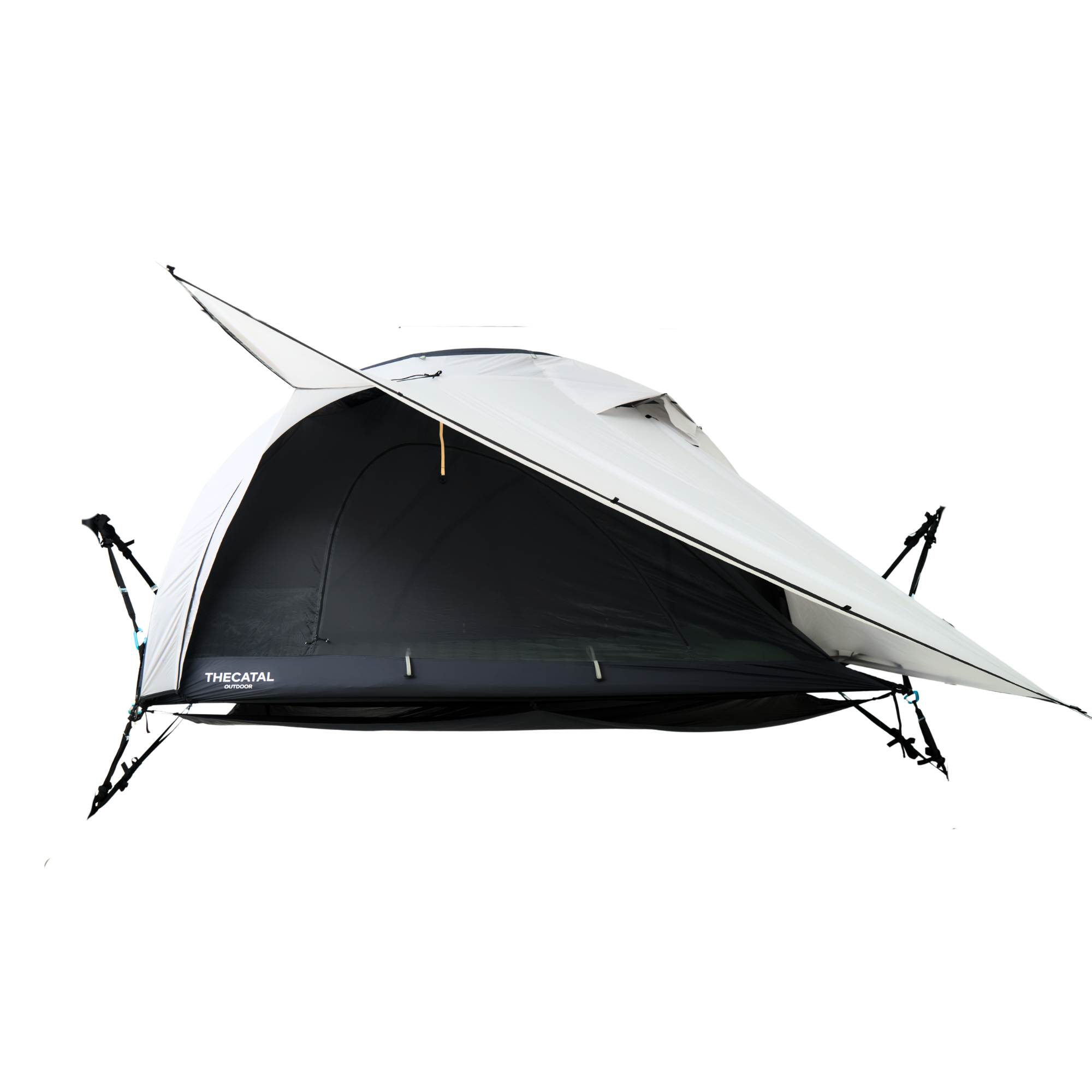
You’ll see the same errors: staking too shallow, over-tightening guylines, leaving the rainfly on while wet, and stuffing a wet tent into its bag. Fixes: use longer stakes on soft ground; route guylines to natural anchors if the stake won’t hold; always set the inner body up first and clip the rainfly after the inner is taut; if it rains on packdown, prop the tent over the car hood or a picnic table to dry decently before bagging. A small tarp and a roll of cord solve more problems than an extra pair of hands.
Alternatives worth considering and when they make sense
4-person dome vs. tunnel vs. cabin: domes are quick, cabin styles give standing room, tunnels maximize internal space but need guylines. If you car-camp with bulky gear and kids, a cabin or roomy dome eases transitions. For minimalists who want a bigger sleeping area without the footprint, a wide 3-season dome can be better than a cramped full-size family tent. Evaluate by your priorities: quick pitch, overheating, or floor space.
Field note and practical anchor
On family trips to Yellowstone, wind and afternoon showers taught me two things: stake aggressively and value ventilation. When I led weekend groups there, tents with proper drainage and clear setup instructions survived the weather and kept everyone sane. For families shopping specifically for space and durability, a reliable family size tent for camping makes a real difference in comfort and reduces setup errors for less experienced helpers.
Wrap-up — what actually saves time and stress
Stop guessing and adopt the checklist: site, footprint, poles, stake, rainfly, guylines, and proper drying before storage. Practice the sequence once at home so it’s muscle memory on arrival. Small investments — a dedicated tarp, one spare long stake, and a breathable storage bag — repay themselves every trip. That’s why I recommend gear and tips that keep setup routine and repairs rare, exactly what I find when I compare tested solutions on weekend runs and gear reviews with peers at shows and meetups. For a consistent, family-friendly approach that reduces friction at camp, consider the tools and methods that work in real conditions and the practical information you find at THECATAL.