7 Warning Signs Your Furnace Needs Professional Attention
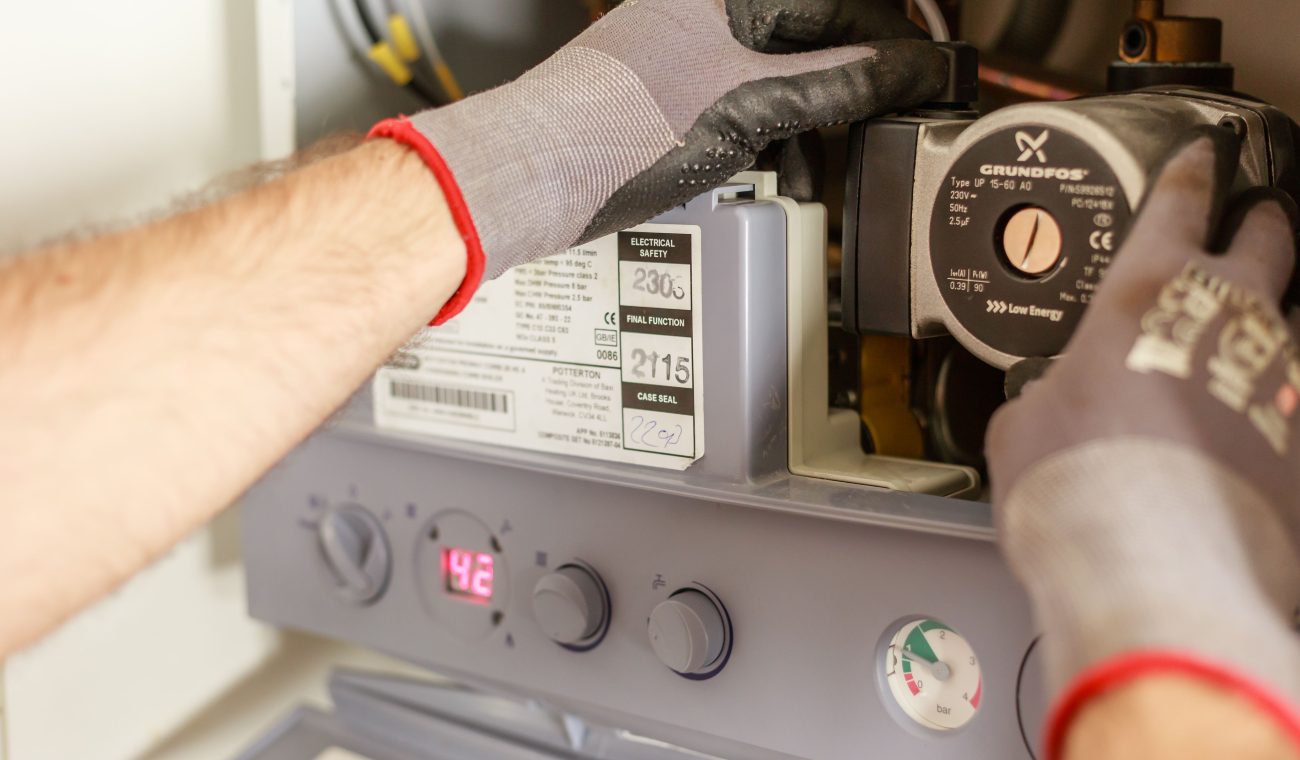
When the temperature drops, a dependable heating system can make a significant difference in your home’s comfort. Most homeowners expect their furnace to work whenever they adjust the thermostat, so changes in its performance can be easy to overlook at first. A room that takes longer to warm up or a heating cycle that sounds different may seem insignificant, but these changes can point to an underlying problem.
Recognizing when your furnace needs repair can help you avoid unexpected breakdowns and address developing issues before they become more expensive. By paying attention to your heating system’s behavior, you can determine when basic troubleshooting is enough and when it is time to call an HVAC professional.
Your Furnace Takes Longer to Heat Your Home
If your home no longer reaches the desired temperature within its usual timeframe, your furnace may not be operating as effectively as it should. You might find yourself raising the thermostat repeatedly or noticing that the heating system runs longer than it did in previous seasons.
Restricted airflow, dirty filters, malfunctioning components, and thermostat problems can all affect heating performance. Changes in outdoor temperatures or insulation can also influence how quickly a home warms up, so slower heating does not automatically mean the furnace is damaged.
Check the thermostat settings and inspect the air filter before assuming the equipment has failed. If the system continues to struggle despite these basic checks, a technician can assess its performance and identify the cause.
The Furnace Produces Different Sounds Than Usual
You probably recognize the normal sounds your heating system makes when it starts, runs, and shuts down. When those familiar sounds change, it is worth paying attention, as unusual noises may indicate that your system needs professional furnace repair.
A new humming noise, persistent rattling, squealing, or loud banging may indicate loose components, motor problems, ignition issues, or another mechanical concern. The sound itself cannot establish a diagnosis, but it can provide useful information during an inspection.
Avoid opening the furnace cabinet to investigate internal components yourself. If the noise is unusually loud, continues throughout operation, or occurs alongside poor heating, turn the system off if safe to do so and schedule furnace repair with a qualified HVAC technician. Smoke, burning odors, or signs of an electrical problem require prompt attention.
The Thermostat Setting Does Not Match the Room Temperature
A thermostat provides instructions to your furnace, but the temperature displayed on its screen may not always reflect the conditions throughout your home. If the thermostat says the room should be warm while the space remains uncomfortable, there could be a problem with the thermostat, heating equipment, or airflow.
First, confirm that the thermostat is set to heat and that the target temperature is above the current room temperature. Check whether it needs new batteries if applicable, and make sure it is not exposed to direct sunlight or other heat sources that could affect its reading.
If the temperature discrepancy continues, an HVAC technician can determine whether the thermostat is functioning correctly or the furnace is failing to respond to its commands.
Your Furnace Struggles to Maintain a Consistent Cycle
A properly functioning furnace typically follows a recognizable pattern of starting, heating the home, and shutting off when the desired temperature is reached. If it repeatedly starts and stops after only brief periods, the behavior may indicate short cycling.
This issue can result from restricted airflow, overheating, a faulty sensor, thermostat placement, or equipment sizing concerns. Repeated cycling may also increase component wear and interfere with indoor comfort.
Inspect the air filter and make sure supply vents and return grilles are unobstructed. If the furnace continues to cycle abnormally, arrange a professional evaluation. Avoid repeatedly resetting the equipment without identifying why the problem occurs.
Dust and Airflow Problems Become More Noticeable
An increase in household dust or noticeably weaker airflow may indicate that your heating system needs attention. Although dust can come from many sources, a dirty filter or an airflow restriction can reduce how effectively warm air circulates through your home.
A clogged filter can make the furnace work harder and may contribute to overheating or automatic shutdowns. Blocked vents and problems within the ductwork can also affect air distribution.
Inspect the filter according to the manufacturer’s instructions and replace it when needed. Check that furniture, rugs, and other objects are not covering vents. If airflow remains weak after these steps, a technician can inspect the blower, ductwork, and other relevant components.
Remember that unusual dust levels do not necessarily mean the furnace is responsible. Other indoor air quality issues may need separate investigation.
Your Heating Costs Rise Without an Obvious Explanation
Higher utility bills can be frustrating, particularly when your household has not changed its heating habits. If energy consumption increases unexpectedly, your furnace may be using more energy to produce the same amount of heat.
Possible explanations include poor airflow, malfunctioning controls, deteriorating components, or maintenance issues. However, outdoor temperatures, utility rate changes, and heat escaping through poorly insulated areas can also increase heating costs.
Compare your bills with previous periods that had similar weather conditions. Consider whether the furnace runs more frequently or takes longer to heat the house. If the increase persists, professional servicing can help determine whether equipment problems are contributing to the additional expense.
The Furnace Has Become Less Reliable Over Time
An aging furnace may gradually develop recurring problems rather than fail all at once. You might notice more frequent service calls, inconsistent heating, unusual operating sounds, or components that need repeated repairs.
Although age alone does not mean a furnace must be replaced, a history of breakdowns can justify a closer look at its condition. A technician can evaluate its operating performance, safety, repair needs, and estimated remaining service life.
If a repair is relatively minor and the equipment is otherwise in good condition, fixing it may be the practical choice. If major components repeatedly fail or repair expenses continue to accumulate, comparing repair costs with replacement options may make more sense.
Do Not Ignore Signs of a Safety Problem
Some furnace symptoms require immediate action rather than routine troubleshooting. If you smell gas, leave the building immediately without operating electrical switches or creating sparks. Contact your gas utility or emergency services from a safe location, and do not return until authorities confirm it is safe.
Carbon monoxide is another serious hazard because it has no smell or visible warning signs. Maintain carbon monoxide detectors according to their instructions. If an alarm sounds or anyone develops possible symptoms of exposure, including headache, dizziness, nausea, or confusion, move outside immediately and seek emergency assistance.
Never continue using a furnace that you suspect is unsafe.
Take Action Before a Small Problem Gets Worse
Your furnace does not have to stop working completely to need professional attention. Longer heating cycles, inconsistent temperatures, unusual noises, rising bills, and repeated breakdowns can all indicate that something requires investigation.
Start with simple checks, such as reviewing thermostat settings and replacing a dirty filter. Leave internal mechanical, electrical, and gas-related repairs to qualified professionals.
Addressing persistent warning signs early can help you restore reliable heating, manage repair expenses, and maintain a comfortable home throughout the colder months. Paying attention to small changes today may help prevent a much more inconvenient heating problem later.