Smart, Sustainable Home Garden Hacks for Everyday Interiors
Practical garden-and-home ideas that blend interior decor with outdoor spaces, boosting curb appeal and everyday comfort.
Grow Smart: Start with a Plan and a Toolset
A thoughtful garden begins with a practical plan that aligns with your living space and daily routines. Start by mapping light exposure, soil quality, and water access to determine which plants fit your climate and home improvement goals. The right plan reduces maintenance while maximizing blooming seasons and edible yields, creating a cohesive transition from interior living to exterior greens. For a deeper look, see inertial measurement unit.
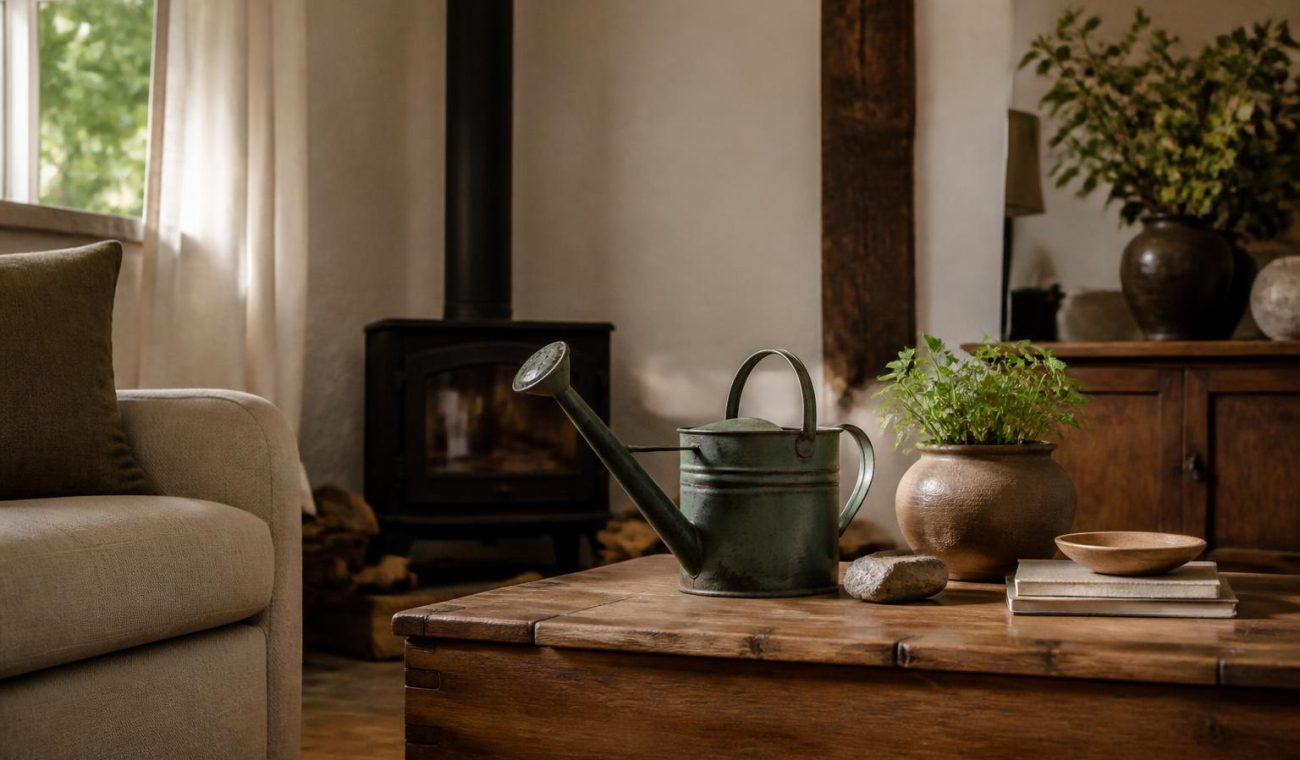
Incorporate a compact toolset and labeled containers to streamline maintenance tasks across seasons. A seating area near the herb beds doubles as a cozy interior-inspired nook, inviting casual meals or afternoons of reading. This approach blends functional gardening with decor-minded details, ensuring your outdoor space feels polished and usable year-round.
Soil, Water, and Microclimates: The Foundations of Healthy Growth
Healthy soil is the foundation of any thriving garden and the first step in elevating home improvement projects that involve outdoor spaces. Test soil pH, mix in compost, and monitor drainage to prevent waterlogging. A well-balanced bed supports robust roots and reduces plant stress, enabling you to sustain vibrant greenery with less effort and fewer replacements over time.
Watering strategies should match microclimates within your yard—shade pockets, sun-drenched slopes, and windier borders all demand different approaches. Consider drip irrigation for precise delivery and mulch to conserve moisture. Thoughtful watering not only protects plants but also curtails waste, forming a practical link between gardening care and decor-friendly landscaping.
Designing with Structure: Pathways, Focal Points, and Vertical Space
Structure anchors a garden like furniture anchors a room. Install sturdy pathways that connect entrances to seating rings or herb beds, guiding foot traffic while preventing soil compaction. Use natural materials that complement exterior walls and interior accents, creating a seamless transition between inside and out and supporting long-term durability in high-traffic zones.
Vertical elements such as trellises, espalier fruit trees, or tall grasses add height and drama without sprawling into living spaces. They also free ground-level space for other plants and seating, aligning with both practical zoning and decorative goals. A well-structured garden feels intentional, echoing tidy interior design principles and elevating the overall mood of the home exterior.
Edible Corners and Fragrant Borders
Couple culinary plants with fragrant borders to stimulate the senses and generate on-the-spot meals. Plant compact varieties of basil, thyme, and chives near doorways and windows, letting aromas greet you on entry and during indoor cooking sessions. Edibles that thrive in containers can travel from balcony to kitchen window, proving that home improvement and interior flow extend beyond walls.
Choose a mix of flowering perennials around edible patches to attract pollinators and maintain year-round interest. Native flowers like coneflowers or black-eyed Susans offer color with lower maintenance, while evergreen foliage provides structure in winter. This combination balances practicality with decor, ensuring that both your garden and interior feel alive across seasons.
Lighting and Ambience: Extending Daylight into Nighttime Enjoyment
Layered lighting transforms outdoor spaces into inviting extensions of your interior after dusk. Use warm-toned string lights, stake lights along borders, and uplights at focal trees to create depth and a welcoming glow. Thoughtful lighting enhances safety, highlights plant textures, and complements ambient interior decor for a cohesive nighttime experience.
Consider solar options for edges and pathways to reduce energy use while maintaining continuous visibility. A well-lit garden area supports evening conversations, reading sessions, and relaxed meals outdoors, bridging the gap between interior comfort and exterior living. The right lighting plan makes your entire property feel larger and more connected to daily routines.
Maintenance Routines that Respect Time and Resources
Efficient maintenance blends smart planning with steady habits. Create a simple weekly checklist that includes weeding, pruning, and container refreshes, so tasks stay manageable rather than overwhelming. Regular, short sessions prevent backlog and preserve the garden’s polished appearance that mirrors well-kept interior spaces.
Seasonal tasks like soil amendments, mulch replenishment, and pest monitoring should be scheduled in advance with reminders. Automate where possible, such as irrigation zones or drip lines, to free up weekends for relaxation or interior decorating, reinforcing the harmony between home improvement and garden care.
Climate-Conscious Choices: Plants, Materials, and Long-Term Value
Choosing climate-appropriate plants reduces water needs and maintenance while extending the garden’s lifespan and appearance. Native species and drought-tolerant varieties can thrive with minimal intervention, aligning with sustainable home improvement goals and practical interior lifestyle demands. A well-considered plant palette minimizes replacements and supports year-long color and texture.
Sustainable materials for hardscaping—recycled timber, permeable pavers, and durable planters—lower environmental impact and improve resilience to weather swings. When selecting decor accents, look for weather-resistant finishes that echo interior trends like natural tones or metallics, so outdoor spaces feel intentional and unified with the home’s interior aesthetic.
Texture and Contrast
- Rough-hewn wood accents paired with smooth ceramic pots
- Soft grasses beside bold evergreen shrubs
- Matte stone edging framing lush seasonal blooms