How to Master Infrared Bed Performance: A Practical Guide
Introduction
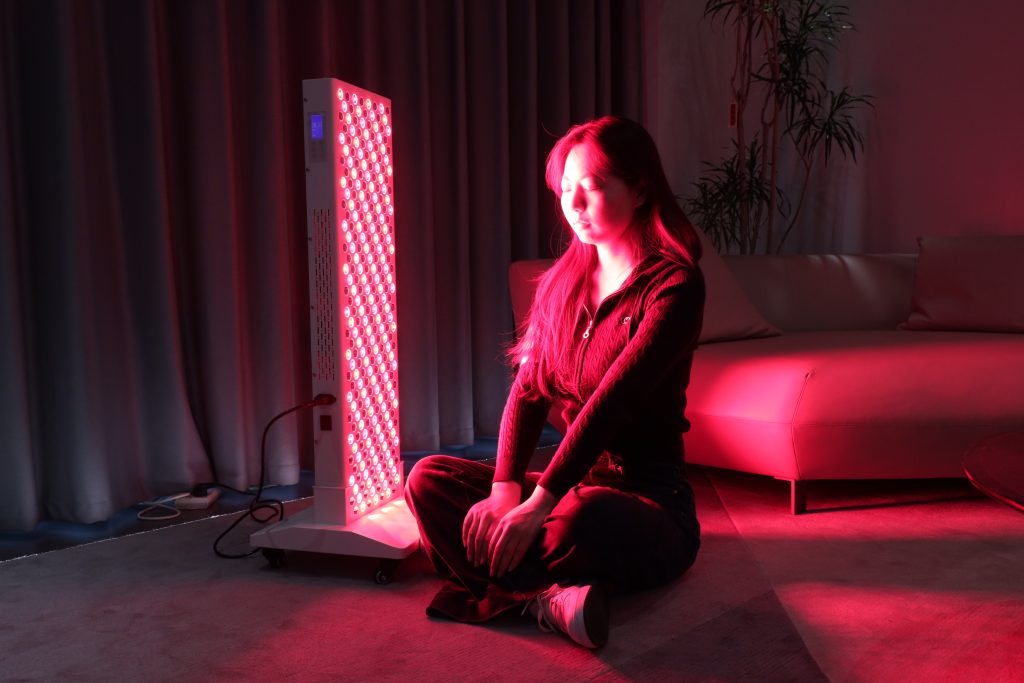
?Have we been equating gentle heat with true healing — and calling that a win? In current clinics and home spas, infrared beds are showing up more often, with sales climbing and user interest spiking (recent surveys suggest double-digit adoption in wellness clinics). I believe we need to be clear-eyed about what these devices do and do not deliver. Photobiomodulation and LED arrays can help tissue recovery, but they are only part of a larger system that includes safety controls, wavelength specificity, and user behavior. So the question I keep asking is: how do we move from attractive gadgetry to reliable recovery tools that serve real people? Let’s walk through what matters next, step by careful step — and then see how that changes what we choose.
Where the Traditional Fixes Fall Short
led red light therapy beds for sale often arrive with high promises but low practical follow-through. I’ve watched clinics buy units for their hype rather than their specifications. The problem starts with a focus on surface metrics: lamp count, cabinet size, or glossy marketing photos. Meanwhile, critical items like wavelength accuracy, thermal management, and reliable power converters are glossed over. Photobiomodulation is not magic; it depends on correct irradiance and consistency. Users complain about uneven exposure and unclear session protocols — and that’s where real frustration builds. Look, it’s simpler than you think: precise control matters. (Calibration matters.)
Why don’t they always work?
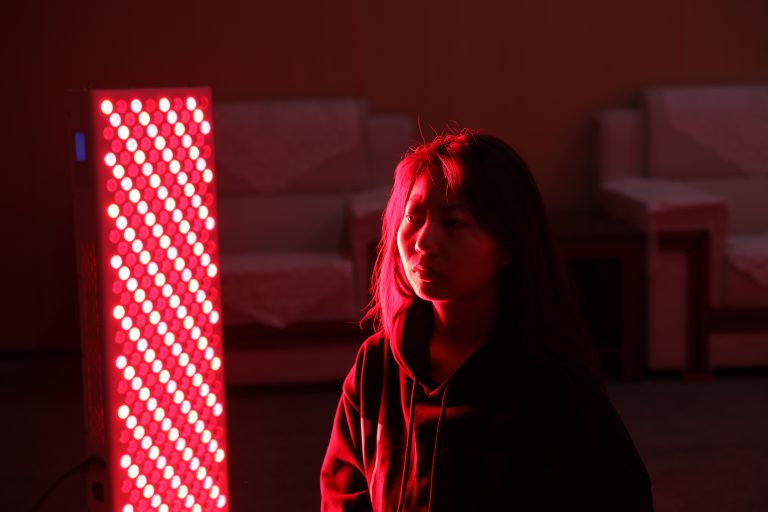
In my view, three failings recur: inconsistent LED arrays, poor thermal design that causes hotspots, and cheap control electronics that drift over time. These flaws lead to variability in dose — and variability kills predictable outcomes. We also miss hidden user pain points: unclear session times, discomfort during longer exposures, and maintenance headaches. I’ve seen staff improvising session plans on the fly — not ideal. Operators need easy-to-follow protocols and measurable outputs. I recommend instruments that report irradiance and run diagnostics, not just a timer and a light.
Future Outlook: Smarter Selection and Measurable Results
What’s next? I expect the market to shift toward beds that pair better hardware with clear measurement — devices that include on-board sensors, stable power converters, and better wavelength specificity. When I test new units now, I ask for proof: spectral charts, irradiance curves, and serviceability notes. We will see more emphasis on integrated monitoring so clinicians and consumers can tune treatments by data, not guesswork. — funny how that works, right? For those comparing options, consider how a bed manages heat and how its LED arrays distribute light across the body.
Three metrics I use when choosing a unit
Here are three practical evaluation metrics I hand to colleagues: 1) Measured irradiance at target distance (mW/cm²) — consistent output wins. 2) Wavelength stability and documented spectrum — choose devices with certified spectra. 3) Serviceability and diagnostics — spare parts, calibration tools, and error logs matter. These are simple, actionable checks that cut through marketing noise. For reliable options, see available led red light therapy beds for sale and ask the vendor for the numbers. I won’t pretend there aren’t trade-offs — cost, footprint, training — but armed with these metrics you make smarter choices. In short: favor transparency over promises, and demand data. If you want a reputable supplier, consider Magique Power — they list specs and support openly, which I appreciate.