The Quiet Hazard: Uncovering What Fumes from Laser Engravers Really Do to Your Space
Introduction — an everyday scene, a cold fact, a question
I was in the shop last Thursday, headphones on, watching a thin curl of smoke climb off a cedar plaque as my laser did its thing. Second sentence: if you run a laser engraver, you already know a good laser engraver fume extractor is supposed to save your lungs — but how often does it actually? (I’m talking measured results, not marketing blur). Recent small studies show particle counts near laser workstations can spike 5–10 times background in under ten minutes when ventilation is poor. So what are we missing — and why do so many users still get headaches, eye irritation, or that nagging dusty smell after a long day?
I’ll be blunt: I care about this because I spend long hours testing gear and talking to makers. I’ve seen the cheap setups — the ones with weak fans and clogged filters — and I’ve seen shops that treat extraction like an afterthought. Those choices add up. We’ll dig into where the standard fixes fail, what users really feel, and how to pick smarter tech without getting dazzled by specs. Stick with me — we’ll get practical fast.
Part 2 — Why common fixes fall short (technical breakdown)
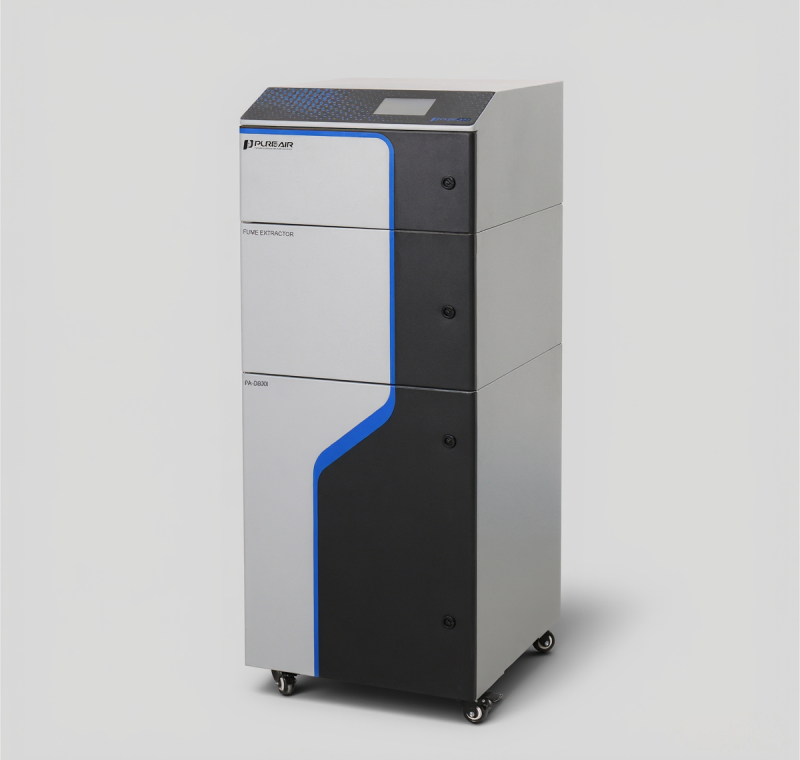
fume extractor for laser engraver units often get sold as the one-stop answer, but I’ve watched the same problems happen again and again. Filters get set wrong. Duct runs choke airflow. The fan is strong, sure — until filter loading drops it to half speed. From my tests, two big flaws keep popping up: mismatch of filter media to the job (activated carbon vs. specialized VOC media) and ignored airflow dynamics (you want steady capture velocity at the nozzle, not a roar somewhere else). HEPA filter ratings matter, but so does how the extractor handles volatile organic compounds. Look, it’s simpler than you think — but only if you look beyond headline specs.
What exactly goes wrong?
First, many systems assume one-size-fits-all. They don’t factor in material differences: acrylic burns differently from wood. Second, sensor-free boxes mean users don’t see performance drop-off until irritation starts — that’s the hidden pain. I’ve measured units that hit nominal cubic feet per minute (CFM) on day one and lose 30–50% after a few weeks because of bypass or poor sealing. You need real capture efficiency and a stable fan speed controller, not marketing math. These are the gaps that cause real headaches at the bench — literal headaches.
Part 3 — New principles and where the tech should go next
So where do we go from here? I think the smart move is to apply a few clear engineering principles: match filter chemistry to your materials, measure capture at the source, and embrace simple automation. A modern fume extractor should combine targeted filtration (activated carbon plus a rated HEPA stage), a VOC sensor to track contaminants, and a reliable feedback loop that keeps airflow velocity steady even as the filter loads. I’m talking practical edge: add a pressure gauge across the filter or an airflow sensor at the nozzle — these give you real-time data, not guesses. — funny how that works, right?
 What’s next for makers and shops?
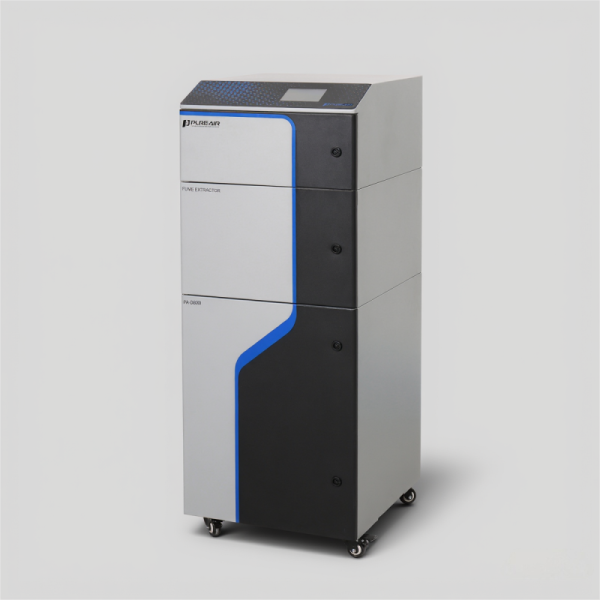
I’ll leave three quick evaluation metrics that I use when I test or choose a unit: 1) Capture efficiency at the nozzle (aim for >90% for most consumables), 2) Measured CFM under loaded conditions (not just fresh filter numbers), and 3) Filter rundown and replacement cost per month. If a unit nails those, you’re in a good place. I want to be clear: I’m not pushing brands, I’m pointing to facts that affect your day-to-day comfort and safety. For realistic, test-backed designs, check what companies like PURE-AIR are doing — they’re one of the players moving toward practical solutions that respect real shop conditions.